
Officers:
Chair: Nancy Brickhouse (SAO/CfA) [2025 – 2027]
Dr. 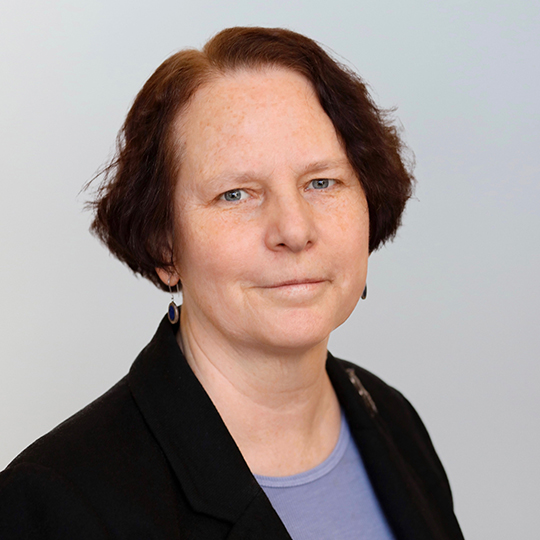 Nancy Brickhouse is a Senior Astrophysicist in the Solar, Stellar, and Planetary Sciences Division at the Center for Astrophysics | Harvard and Smithsonian. Prior to this position, Nancy served as the Senior Science Advisor in the Director’s Office and before that as the Associate Director for the Solar, Stellar, and Planetary Sciences Division. Her research focuses on solar and stellar coronae and shocks from accretion on young stars. Nancy is a member of the AtomDB team, producing high energy spectral models for collisionally ionized plasmas. She is leading the Galactic Science team on Arcus Probe, a NASA Probe Class mission proposal for high resolution X-ray spectroscopy.
Affiliation: Smithsonian Astrophysical Observatory (SAO), a member of the Center for Astrophysics (CfA)
Contact: [email protected]
Webpage: https://www.cfa.harvard.edu/people/nancy-brickhouse
Vice Chair: Joan Marler (Clemson) [2025-2027]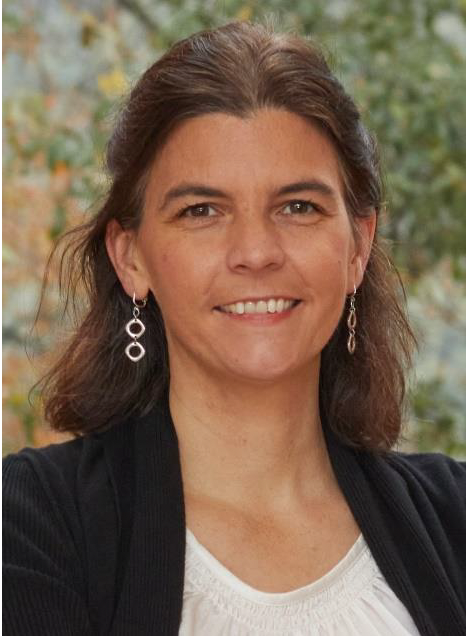
Dr. Joan Marler is an Associate Professor of Physics and Astronomy at Clemson University. She received her PhD in Physics in 2005 from the University of California –San Diego, where she investigated elastic and inelastic cross-sections of positrons with atoms and molecules. Following that, she has done postdocs studying electron plasmas in toroidial traps, CQED with laser cooled ions in rf traps and low temperature chemistry with trapped ions. Currently, she is a professor at Clemson University since 2013 (associate professor since 2021.) Her work focuses on experimental investigations of the atomic properties of highly charged ions. Highly charged ions are ubiquitous in the universe and spectroscopic laboratory data contributes to our understanding of the physics of both high-energy astrophysical environments where they are produced as well as in low energy regions where they may interact with neutral atoms and molecules. Her current focus includes both visible spectroscopy of high Z multi-charged ions relevant to heavy-metal opacities in kilonova outflows, and x-ray spectroscopy coupled to momentum transfer measurements of low Z highly charged ions resulting from solar wind interactions with comets and atmospheres.
Affiliation: Clemson University
Contact: [email protected]
Webpage: https://iontrapping.sites.clemson.edu
Past Chair: Stefanie Milam (NASA/GSFC) [2025 – 2027]
Dr. Stefanie Milam works in the Astrochemistry Laboratory at the 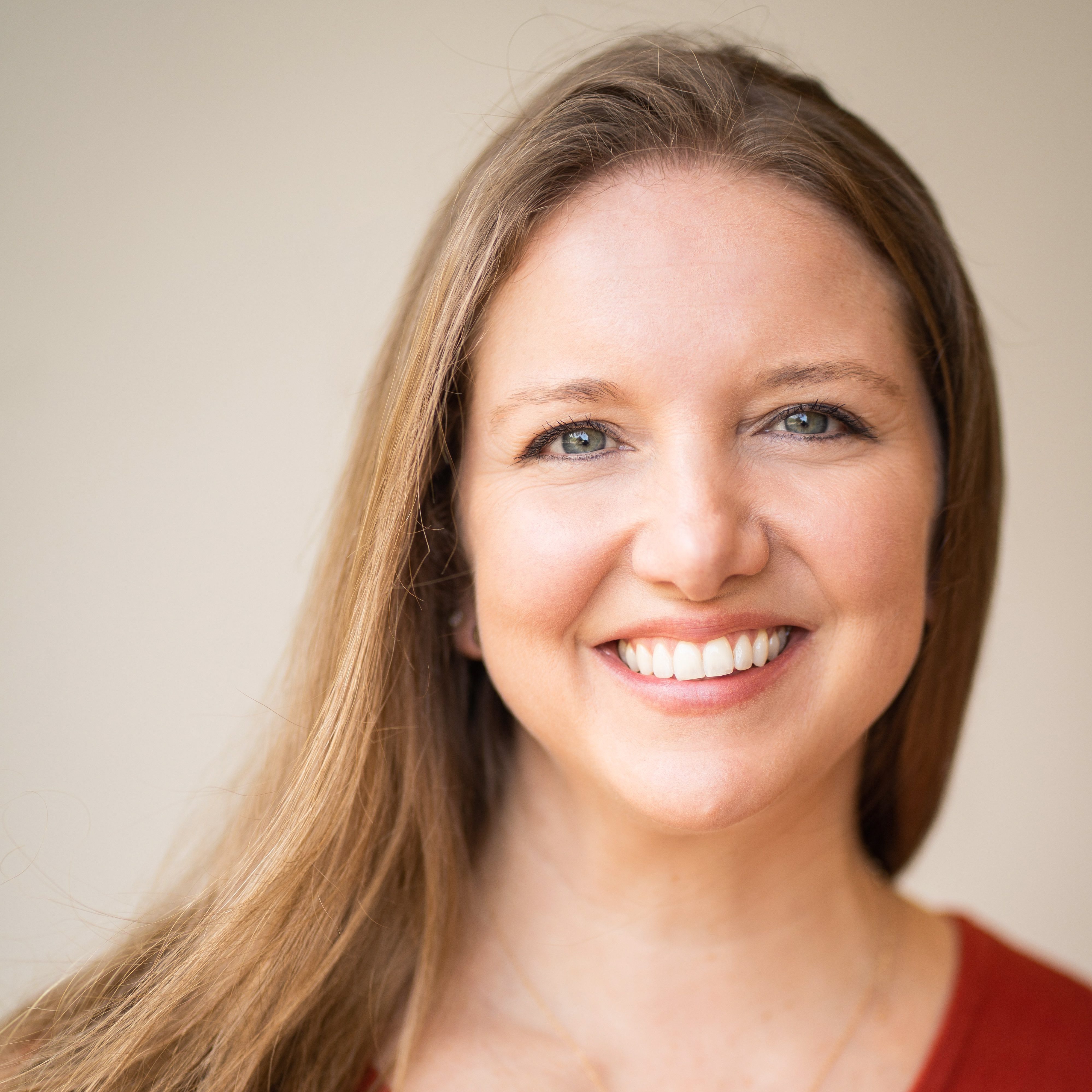 NASA Goddard Space Flight Center (Greenbelt, Maryland USA). She is an expert in rotational spectroscopy, observations, and laboratory modeling of astrochemistry and molecular astrophysics of the interstellar medium, evolved stars, star formation regions, and comets with an emphasis on isotopic fractionation and astrobiology of primitive materials.
Dr. Milam maintains a renowned observational program with radio telescopes around the world, and with space-based observatories, to routinely observe comets as part of an international collaboration. She leads the SubLIME laboratory at GSFC that is dedicated to simulate interstellar/cometary/planetary ices and detect trace species employing the same techniques used for remote observations to help constrain the chemical complexity of the ices, the amount of processing that occurs, and interpret past and present data from missions that observe ice features. Dr. Milam has been working on the James Webb Space Telescope (JWST) as Deputy Project Scientist for Planetary Science since 2014. Under this role she helped establish the next generation space telescope as a planetary science resource as well as helped implement laboratory support in general observing proposals. She is involved in a number of future missions and concepts that range from small bodies in the solar system to next generation space telescopes
Affiliation: NASA SubLIME Collaboration
Contact: [email protected]
Webpage: https://science.gsfc.nasa.gov/sed/bio/stefanie.n.milam
Treasurer: Edith Fayolle (NASA/JPL) [2025 – 2028]

Dr. Edith Fayolle is a scientist at the Jet Propulsion Laboratory. Her main research interests are the exploration and the weathering of icy environments in the Solar System (Ocean Worlds, Comets, the Moon…) to understand their origin and enable the search for signs of life at Ocean Worlds. Her laboratory work focuses on ice spectroscopy, ice chemistry, and the study of gas-grain interactions using surface science techniques. She also has experience with telescopic molecular observations and microorganism degradation under icy worlds conditions. Edith has a background in physical chemistry, earned her PhD at Leiden Observatory in 2013, and was a postdoctoral researcher at the Harvard-Smithsonian Center for Astrophysics until 2017.
Affiliation: Jet Propulsion Laboratory
Contact: [email protected]
Webpage: https://science.jpl.nasa.gov/people/fayolle/
Secretary : Dennis Bodewits (Auburn) [2025 – 2028]
Affiliation: Auburn University
Contact: lad.secretary @ aas.org
Website: https://webhome.auburn.edu/~dzb0059
Members-at-Large:
Danna Qasim (SwRI) [2025 – 2028, Planetary]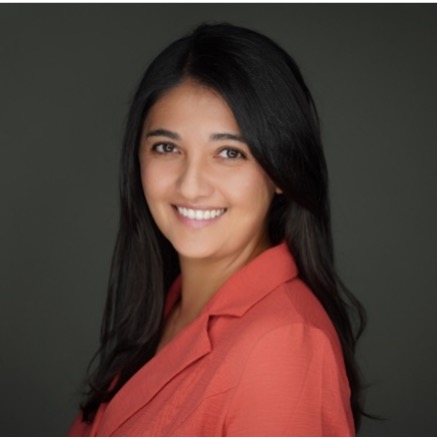
Dr. Danna Qasim is a laboratory astrophysicist and astronomer in the Planetary Science Department at Southwest Research Institute (SwRI; 2022-Present). She received her Bachelor of Science in Chemistry and minor in astronomy at Northern Arizona University (2008-2012), her Master of Science in Chemical Sciences at Kennesaw State University (2014-2016), her PhD in Astronomy at Leiden University (2016-2020), and conducted her postdoctoral research in the Astrochemistry Laboratory at NASA Goddard Space Flight Center (2020-2022).
At SwRI, Dr. Qasim leads the Nebular Origins of the Universe Research (NOUR) Laboratory, which aims to bridge interstellar/protoplanetary disk chemistry to the chemistry in our Solar System. She is also a member of the Center for Laboratory Astrophysics and Space Science Experiments (CLASSE), where she works with planetary scientists to unravel the nature and dynamics of our Solar System.
Affiliation: Southwest Research Institute
Contact: [email protected]
Website: https://www.dannaqasim.com/
Emily Lichko (NRL) [2025 – 2028, Plasmas]
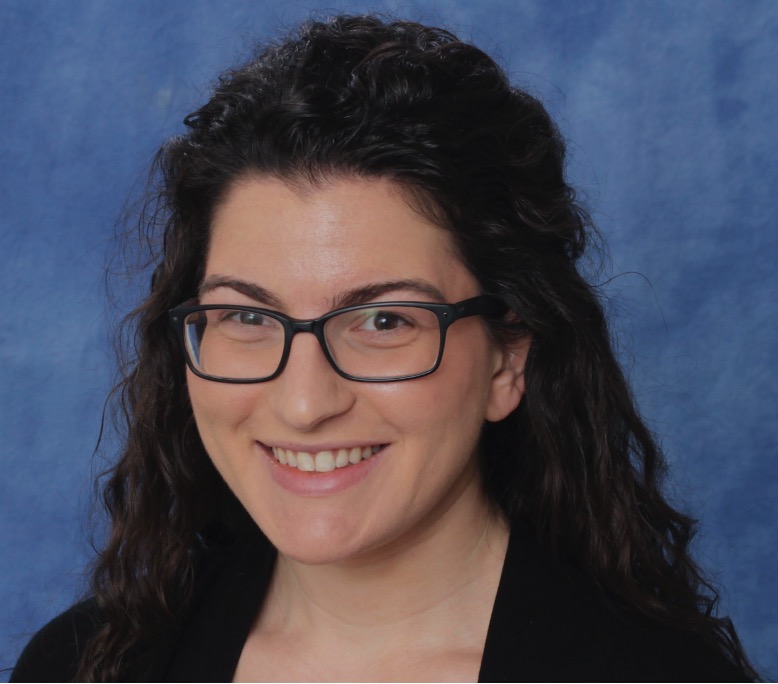
Dr. Emily Lichko received her B.S. in Physics and Applied Mathematics from the University of Michigan in 2013 and her PhD in 2020 from the University of Wisconsin-Madison, where her research focused on particle heating and nonlinear energy transfer processes that affect the evolution of collisionless plasmas in space and astrophysical systems. Following her PhD, she worked on methods of diagnosing energy transfer in spacecraft observations of the solar wind as a NSF Atmospheric and Geospace Sciences Postdoctoral Research Fellow at the University of Arizona, followed by a postdoctoral position working on instabilities driven by cosmic rays at the University of Chicago. She is currently a Research Physicist working at the Naval Research Laboratory (NRL) using theoretical, computational, and observational techniques to understand and disentangle energy transfer processes in space and astrophysical plasmas.
Affiliation: US Naval Research Laboratory
Contact: [email protected]
Annemieke Petrignani (University of Amsterdam) [2024 – 2027, Molecules]
Affiliation: University of Amsterdam
Contact: [email protected]
Website: https://www.linkedin.com/in/annemieke-petrignani-0327b867/
Imre Bartos (University of Flordia) [2024 – 2027, High Energy Particles]
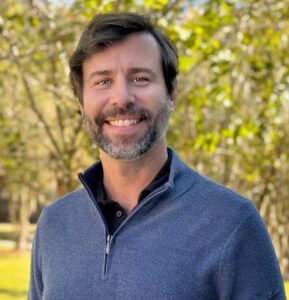
Dr. Imre Bartos received his PhD from Columbia University, where he subsequently remained as a lecturer and then research scientist before joining the faculty at the University of Florida. His broad field of interest is astroparticle and multi-messenger astrophysics. He primarily studies extreme cosmic events related to the formation and evolution of black holes. Dr. Bartos is a member of the LIGO Scientific Collaboration, the LISA Consortium, and is an associate member of the IceCube Collaboration. He also serves as an associate member of the Commission of Astroparticle Physics of the International Union of Pure and Applied Physics.
Dr. Bartos was awarded the Alfred P. Sloan Research Fellowship in 2020, and the Excellence Award from the University of Florida in 2020. He was part of a Grand Challenges Explorations Team supported by the Bill & Melinda Gates Foundation. He was the recipient of the Allan M. Sachs Teaching Award at Columbia, and was an International Educator of the Year at the University of Florida. With the LIGO Collaboration he was the co-recipient, among others, of the Breakthrough Prize, Gruber Prize, Einstein Medal, and the Bruno Rossi Prize.
Affiliation: University of Florida
Contact: [email protected]
Website: https://people.clas.ufl.edu/imrebartos/
Andrew Mattioda (NASA Ames Research Center) [2023 – 2026, Dust & Ices]
Dr. Andrew L. Mattioda was born and raised in Southeastern Oklahoma. He is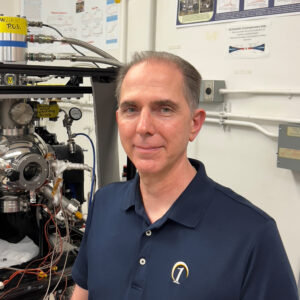 a physical chemist and astrochemist with expertise in molecular spectroscopy (Raman and infrared). He conducts laboratory experiments aimed at understanding interstellar and planetary system chemical processes, especially those involving PAH (polycyclic aromatic hydrocarbon) molecules.
Dr. Mattioda heads the ICEE (In situ Carbon Evolution Experiments) facility. The laboratory employs Raman, infrared and mass spectroscopic techniques to investigate the chemistry of dust and ices in the ISM (interstellar medium) and on planetary bodies within the solar system. Dr. Mattioda played a prominent role in the development of the NASA Ames PAH IR Spectroscopic Database (PAHdb) , which hosts theoretical and experimental PAH infrared spectra for use in analyzing astronomical observations. He is currently leading the development of the Raman Spectral Database (Ramdb) , which is dedicated to providing Raman spectra relevant to the space science community. Dr. Mattioda was one of the lead scientists on the O/OREOS (Organisms/Organics Exposure to Orbital Stresses) Astrobiology mission, which utilized UV spectroscopy to investigate how organic molecules are modified in space. He is currently involved in several mission concepts focused on investigating the organic chemistry occurring within the solar system.
Affiliation: NASA Ames Research Center
Contact: [email protected]
Website: https://www.nasa.gov/ames/spacescience-and-astrobiology/andrew-mattioda
Catherine Deibel (Louisiana State) [2023 – 2026, Nuclear]
Dr. Catherine Deibel is a professor in the Department of Physics & Astronomy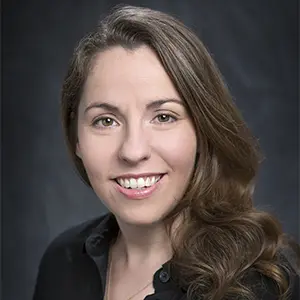 at Louisiana State University whose research is in the field of experimental nuclear astrophysics. After receiving her PhD in Physics from Yale University, she was a Joint Institute for Nuclear Astrophysics (JINA) visiting research associate at Argonne National Laboratory from 2008-2011 before joining the faculty at LSU. Her research focuses on determining the nuclear reaction rates that drive H- and He-rich stellar explosions, such as classical novae, X-ray bursts, and Type Ia Supernovae through direct and indirect nuclear cross section measurements at accelerator facilities around the world. She also works towards making physics and astronomy an inclusive and welcoming field.
Affiliation: Louisiana State University
Contact: [email protected]
Website:https://www.lsu.edu/physics/people/faculty/deibel.php
Amy Gall (Auburn) [2023 – 2026, Atoms]
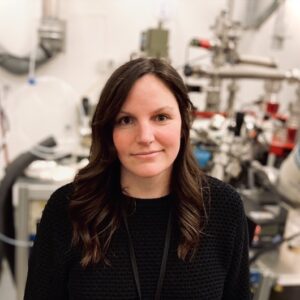 Dr. Amy Gall is an assistant professor at Auburn University. She obtained a B.S in Mechanical Engineering from Georgia Institute of Technology and a Ph.D in Physics from Clemson University. Her research focuses on producing atomic data from spectroscopic studies of highly charged ions produced with an electron beam ion trap. The atomic data are used test complex atomic calculations and act as benchmarks in astrophysical models used to interpret observations of warm and hot astrophysical plasmas.
Affiliation: Auburn University
Contact: [email protected]
Website: https://pweb.cfa.harvard.edu/people/amy-gall